
6-Hi Leveler vs 4-Hi Leveler: 5 Differences
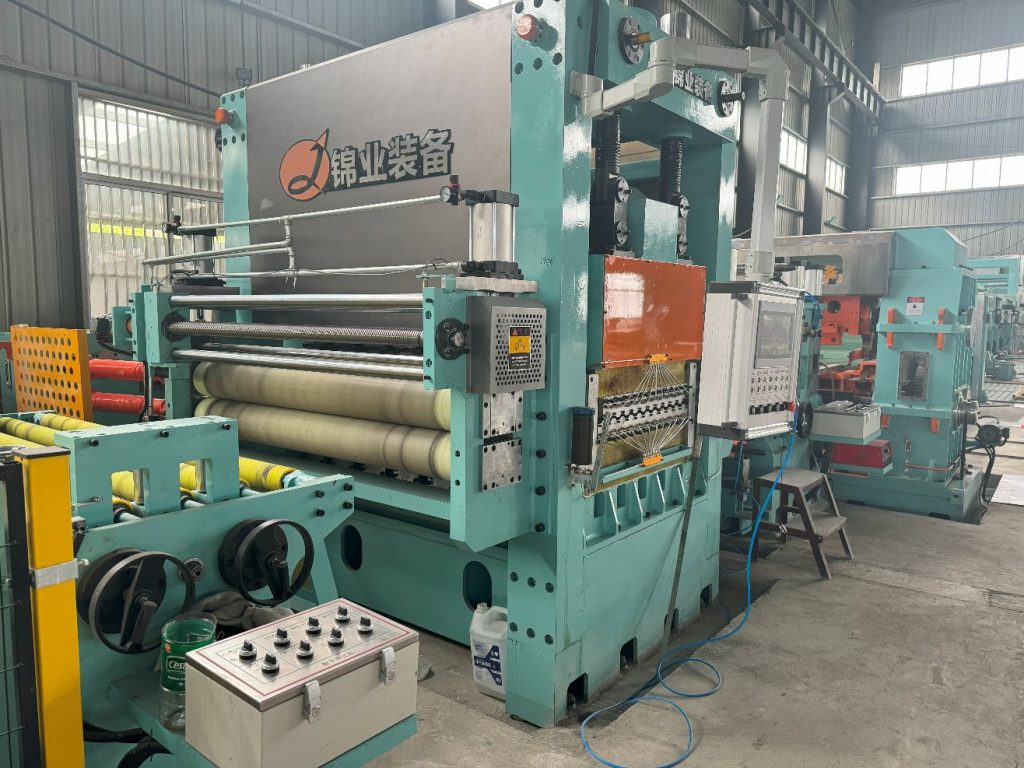
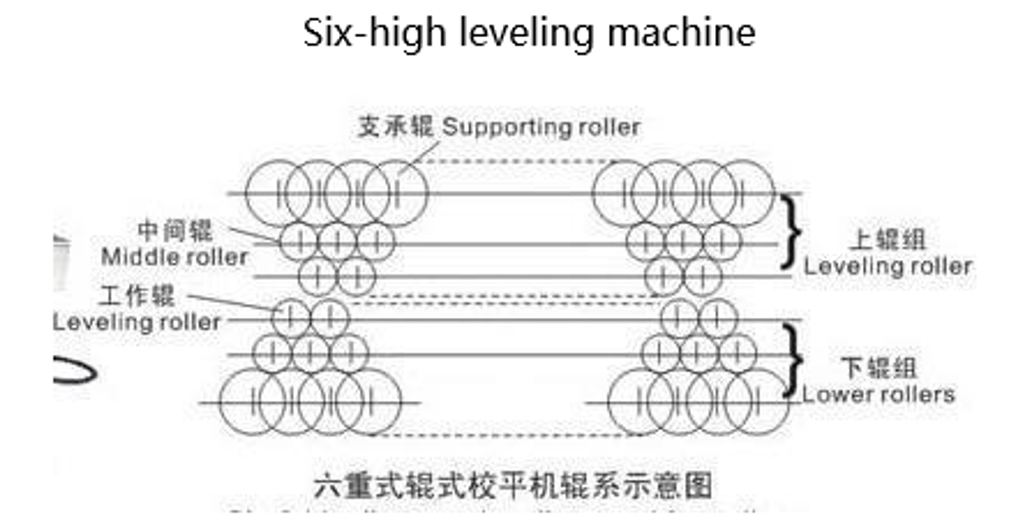
A 4-hi leveler bends the strip through four work rolls; a 6-hi adds a third roll above and below, so the strip passes more alternating bends before it leaves the machine. That extra pair of bends is what the five differences below come down to.
- Higher leveling precision
The 6-Hi Leveler machine adopts more sensors and data feedback mechanisms during the leveling process, make it more accurate than the 4-Hi Leveler machine. At the same time, during the design and manufacturing process, the 6-Hi leveler machine pays more attention to detailed design and control of every link, so that it maintains high precision throughout the entire leveling process. - Better Safety Performance
The 6-Hi Leveler is better than the 4-Hi Leveler in terms of safety performance. During the entire leveling process, each control parameter has undergone strict safety audits. At the same time, the leveling machine has also adopted more safety measures when designing, such as emergency shutdown, automatic monitoring and other functions to ensure the safety of the operator’s safety. - Better Operating Performance
Compared with the 4-Hi leveler, the 6-Hi leveler has better operating performance. The six-layer leveling machine can achieve more automated control, reduce manual intervention to a minimum, and make the operation relatively easier. The operator can complete the entire leveling process through simple operation settings, and the operator’s work intensity is relatively small. - Longer Operation Life
Since the 6-Hi leveler uses more precision technology and materials during the entire manufacturing process, and pays more attention to details during the manufacturing process, the 6-Hi leveler has a longer life than the 4-Hi leveler. - Lower Production Cost
Although in some aspects the design and manufacture of a 6-Hi leveler is more expensive than a 4-Hi leveler, it is more accurate throughout the entire production and life cycle. It lasts longer and is less expensive to maintain and upgrade, resulting in a lower overall cost in the long run.
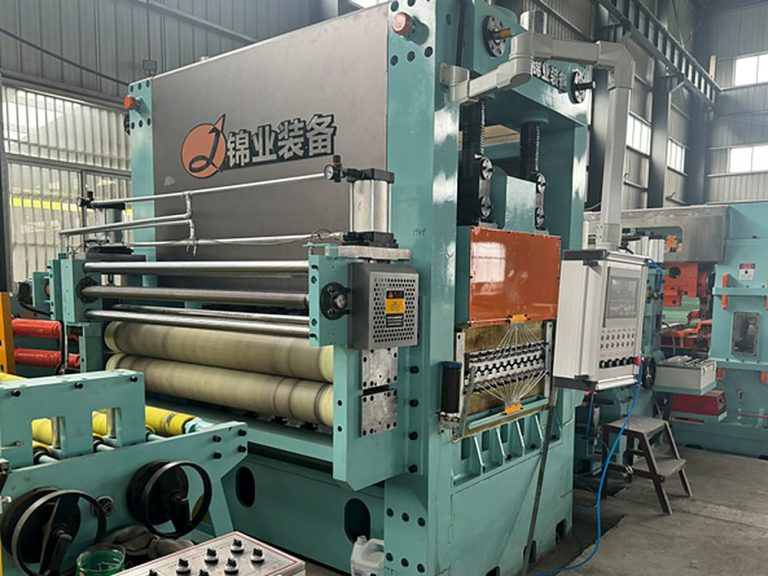
More from the workshop
Related news
Industry News
Slitting Stainless Steel: Why It Is Harder Than Mild Steel
Work hardening, cutting force and surface marking: three reasons stainless needs a different slitting line, and what to change in the specification.
Read more
Industry News
What Decides Cut to Length Accuracy on a Coil Line?
Length error comes from the measuring roll, the leveler, shear response and the stacker — where each one costs you millimetres, and what to specify.
Read more
Industry News
Flying, Rotary, Swing or Stop Shear: Choosing a CTL Shear
Stop, swing, rotary or flying: how thickness, speed and surface finish decide which shear a cut to length line is built around.
Read moreTalk to us
Working on a line like this one?
Tell us the coil or sheet you need to produce. We will come back with the configuration, the working range and the delivery schedule that fit your project.
- Material grade, thickness and coil width
- Finished strip width or cut length
- Target output and site conditions