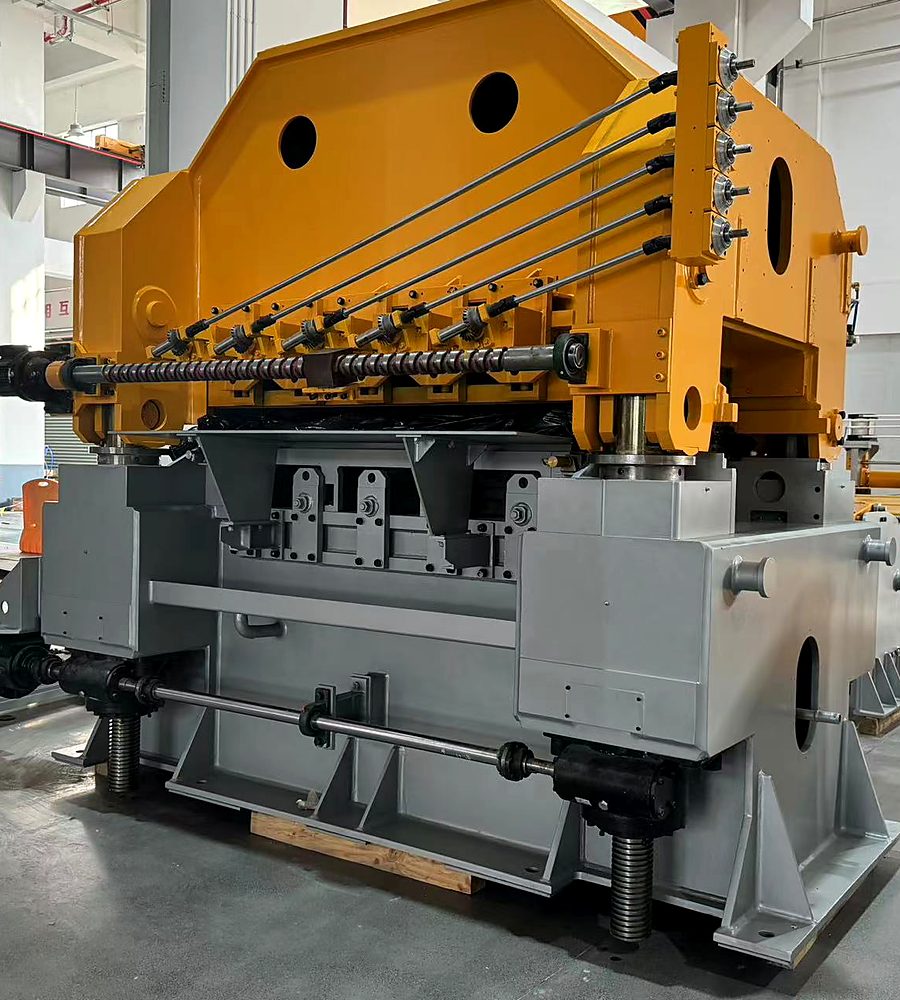
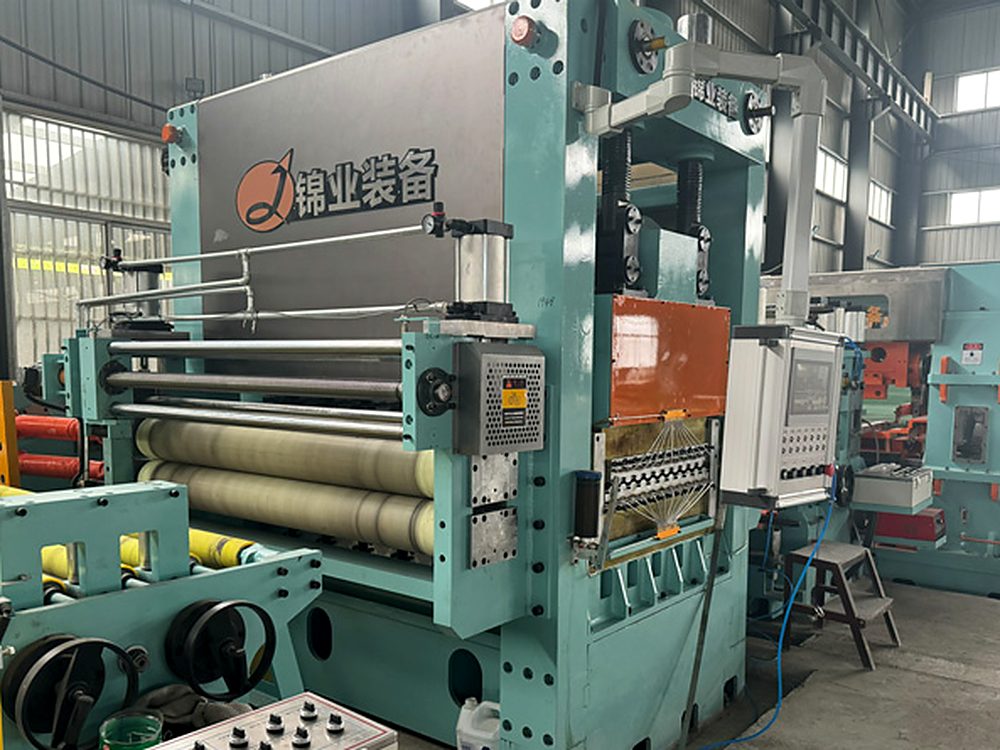
Slitting Stainless Steel: Why It Is Harder Than Mild Steel
Work hardening, cutting force and surface marking: three reasons stainless needs a different slitting line, and what to change in the specification.
Read the updateNewsroom
Machine shipments, installations and technical notes from the JINYE workshop in Wuxi — written by the people who build the lines.
Work hardening, cutting force and surface marking: three reasons stainless needs a different slitting line, and what to change in the specification.
Read the update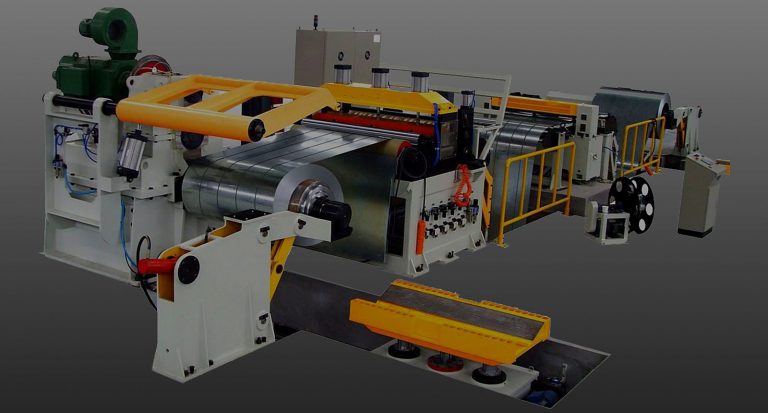
Industry News
Length error comes from the measuring roll, the leveler, shear response and the stacker — where each one costs you millimetres, and what to specify.
Read more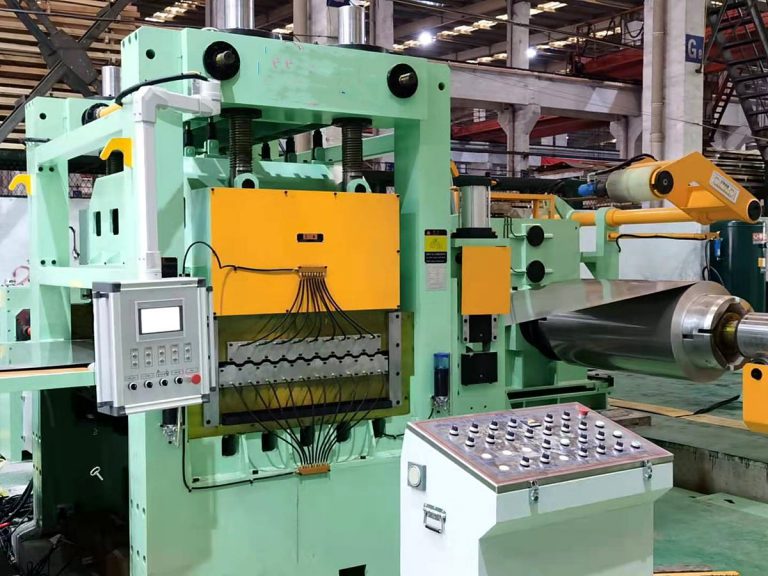
Industry News
Stop, swing, rotary or flying: how thickness, speed and surface finish decide which shear a cut to length line is built around.
Read more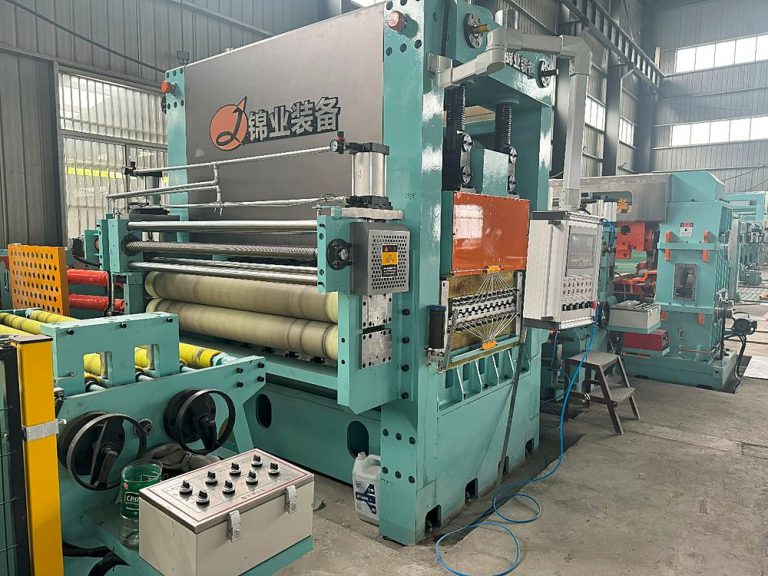
Industry News
Burr is a share of thickness and camber is millimetres per metre — how each is measured, what causes it, and which one the slitter owns.
Read more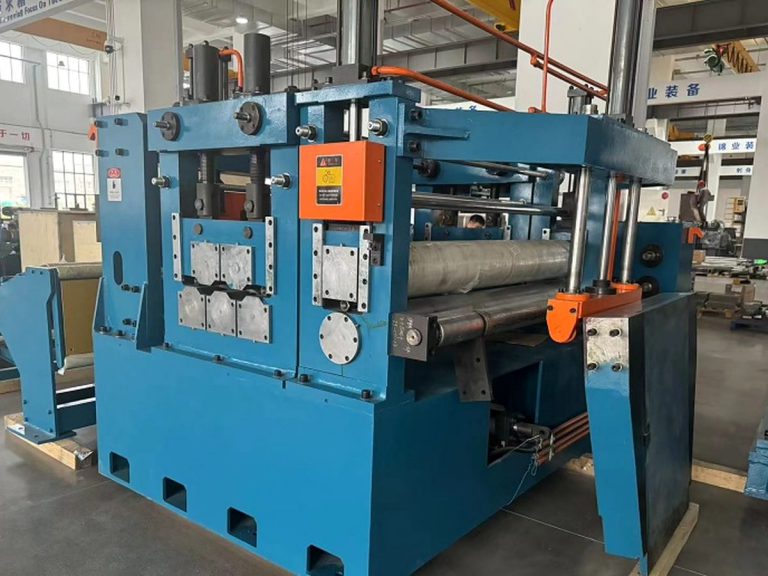
Industry News
Six inputs — material strength, thickness and width, coil weight, strip count, tolerance and line speed — decide how a slitting line is built.
Read more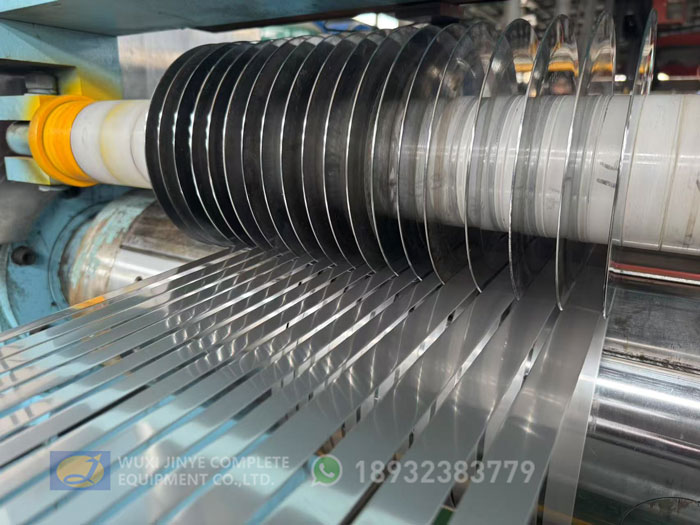
Industry News
Slitting blades use T10, H13, H13K, HM-3, 6CrW2Si, Cr12WMoV or W18Cr4V tool and die steels, in 100-500 mm diameters, for strip from 0.1 mm to 10 mm thick.
Read more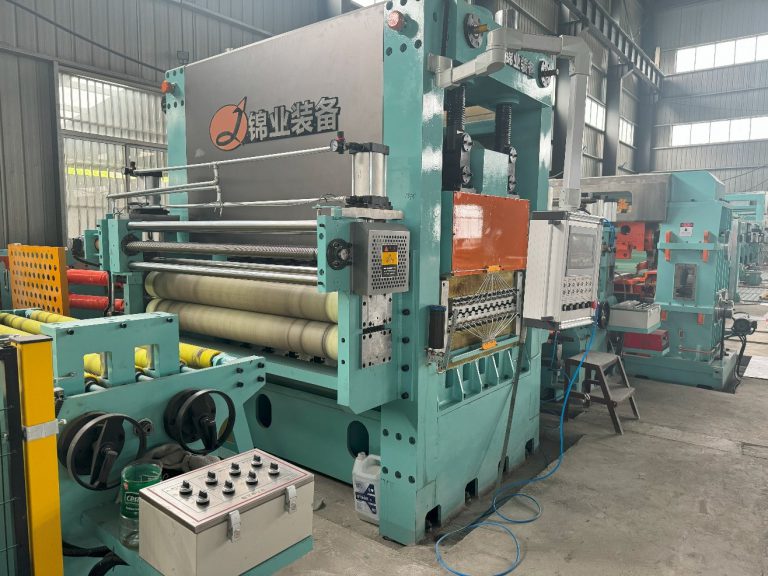
Industry News
A 6-hi leveler uses more sensors and closed-loop feedback than a 4-hi, which tightens flatness control and lengthens roll life. Five differences compared.
Read more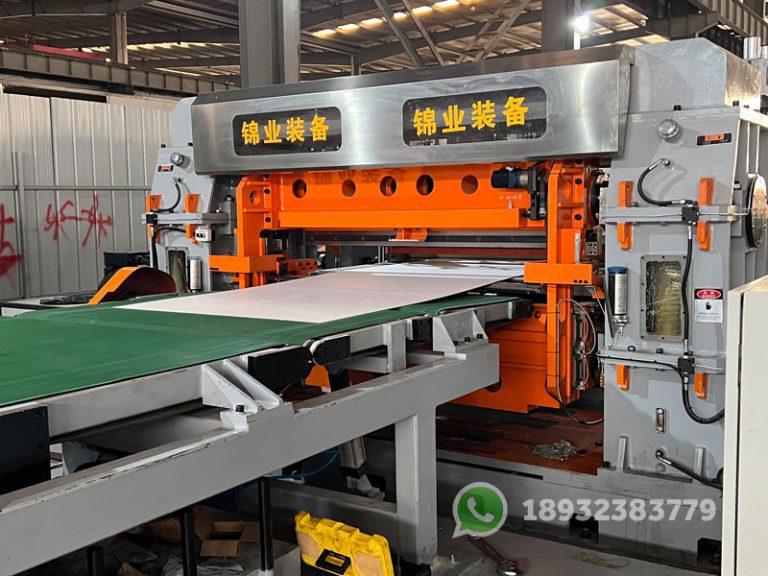
Industry News
A rotary shear cut to length line cuts stainless coil on the fly with no stop marks. Seven advantages over stop-and-cut shears, from scrap to automation.
Read moreNext step
Each machine in these updates was configured for one customer's material and output. Send us your coil — thickness, width, grade and target production — and we will size a line to it.